
Neuro Rehab Works is the creation of Occupational Therapist Sandy LeBlanc, who has over 25 years experience working in neuro-rehabilitation.
Sandy LeBlanc – BSc(Hons) MRCOT
Neuro Rehab Works is the creation of Occupational Therapist Sandy LeBlanc, who has over 25 years’ experience working in neuro-rehabilitation.
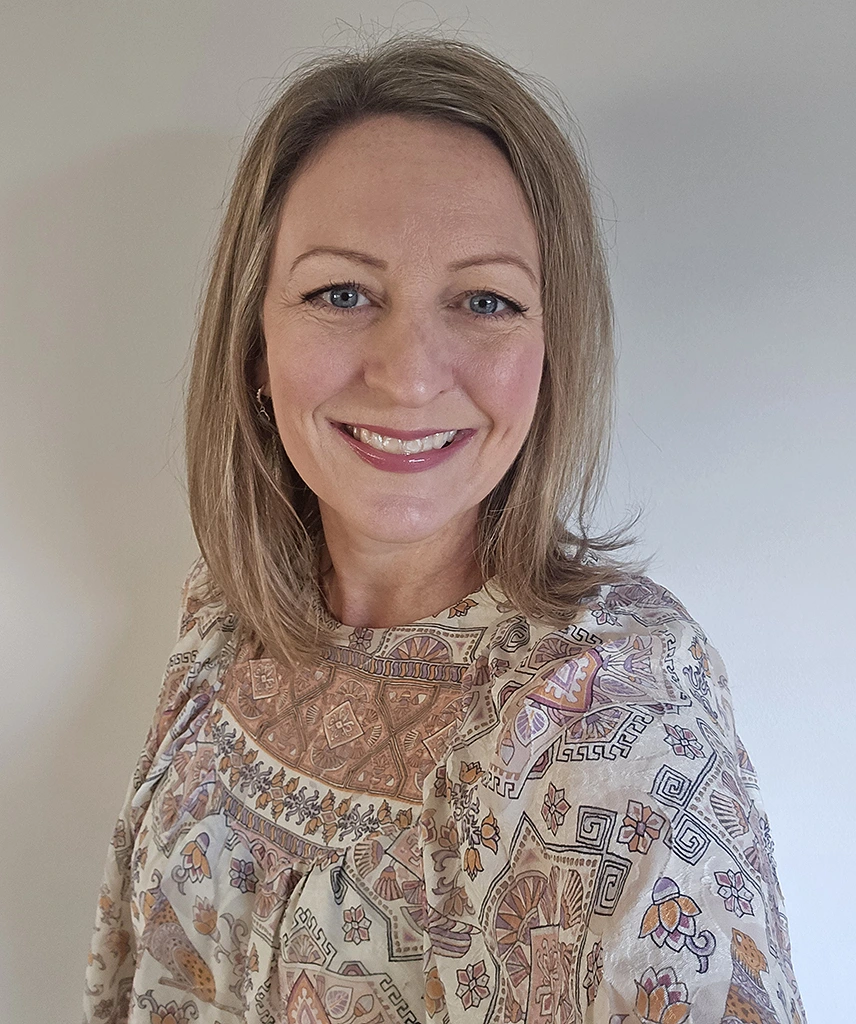 Sandy completed her studies at La Trobe University in Australia in 2001 and was awarded the Margaret and Alan Hamer research prize for her work in developing an assessment for sensory loss (stereognosis) after stroke.
After working in Australia, she moved to the UK in 2006 and held senior clinical roles across a range of settings, including Clinical Lead in a stroke unit, Level 1 Neurorehab unit, and a specialist community Neurorehab team.
With a passion for providing holistic and person-centred therapy, she founded Neuro Rehab Works in 2011, where she now works full time as Clinical Director and Consultant Occupational Therapist. Using an empowerment approach, Sandy primarily works with people following acquired brain injury and spinal injury.
Over the years, Sandy has had a consistent focus in working with younger people who have particularly complex needs. This includes goals such as parenting, return to study or work, driving, and generally getting on with an active and meaningful life.
She is a member of COT/BAOT, including Specialist Sections for Neurological and Independent Practice. She worked for many years within the NHS, becoming a member of the Neuroscience Strategic Clinical Network Leadership Group, representing community rehabilitation. She was also chair of the pan-London Neuro Rehab Leads, a group of navigating clinicians. This experience gives a good perspective of what is available and ‘how the system works’.
Working in the private sector, Sandy has continued to collaborate with other professionals, with a drive for improving pathways and outcomes for clients. She represents occupational therapy in the Vestibular Interdisciplinary Working Group (VIWG) core committee, has presented at conferences and engaged in research. She has developed a network of trusted colleagues, which enables provision of truly collaborative and interdisciplinary neuro-rehabilitation in the community.
Sandy also has experience in making recommendations for complex programmes of support, including assessment of needs, as well as providing training and supervision to support teams. The aim is always to find the balance between enabling support and independence, with a positive risk-taking and empowerment approach.
Sandy is able to use her experience to provide medico-legal Expert services, completing care and occupational therapy CPR 35 reports since 2011.